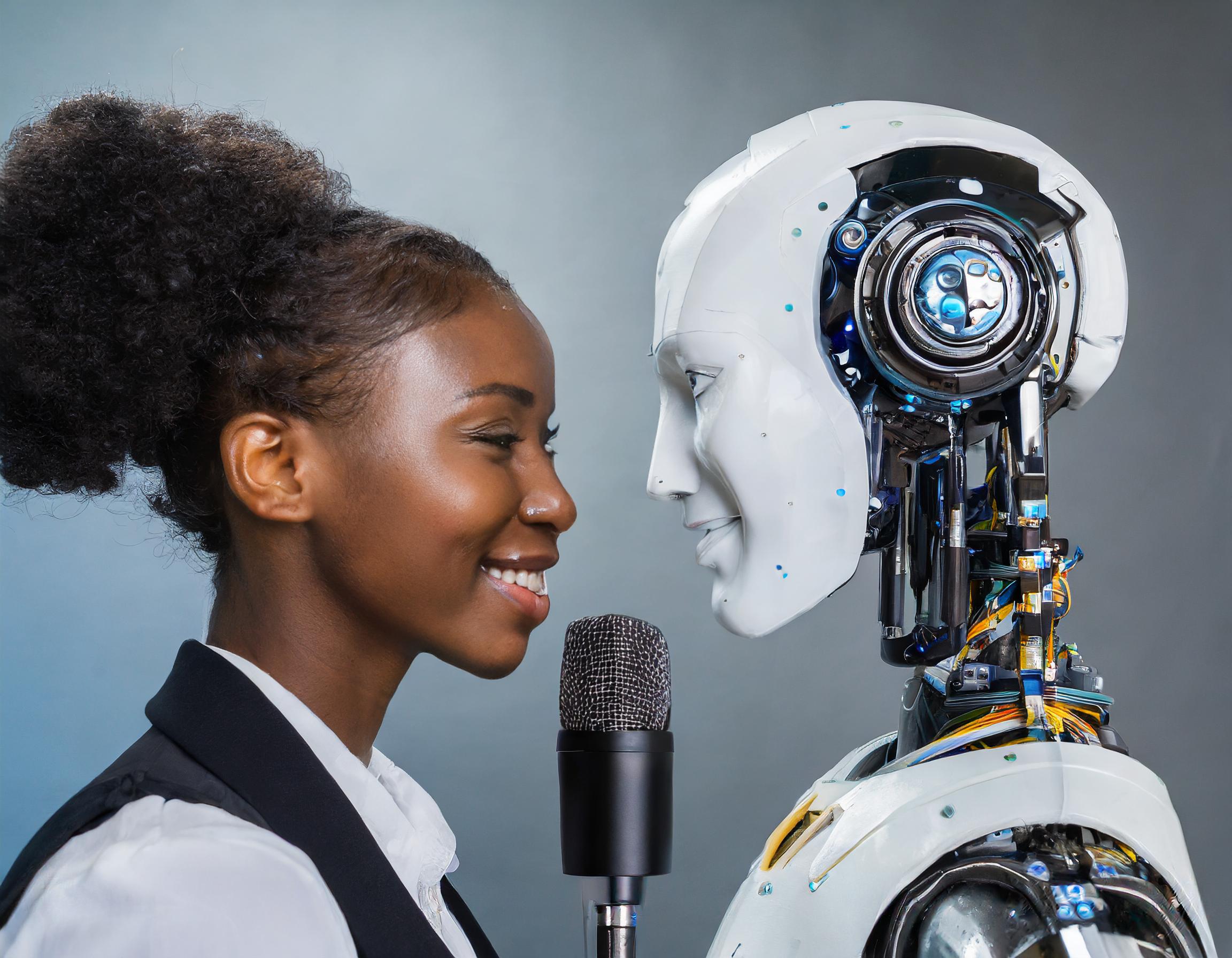
The Art of Authenticity: Human Voiceovers in Media Production
In an era where technology continues to advance at an unprecedented pace, media production has benefited greatly from the advent of AI voiceovers. These innovative tools have revolutionized the way content is created and delivered, providing a quick and cost-effective solution for adding voice to videos, podcasts, and advertisements. However, while AI voiceovers offer convenience and efficiency, they do come with their limitations.
One of the major drawbacks of AI voiceovers is the linguistic limitation they present. AI may struggle with certain accents, dialects, or regional nuances. In an increasingly globalized world, it is important to ensure that media production accurately represents diverse cultures and languages. Authenticity is key, especially in an African context where there is rich cultural and linguistic diversity. By relying solely on AI voiceovers, we risk losing the unique nuances and authenticity that human voice actors bring to the table.
Dubbing, on the other hand, can be a solution to the linguistic limitation of AI voiceovers. Dubbing involves replacing the original language of a production with a translated version spoken by voice actors. In addition to capturing the linguistic nuances of a particular language, dubbing also allows for the portrayal of cultural context and emotions in a way that AI may struggle to replicate. Moreover, by involving local human voice actors, media production can ensure representation and inclusivity, catering to the specific needs and preferences of different cultures within an African context.
While AI voiceovers certainly have their place in media production, the art of authenticity is best achieved through the use of human voice actors. Their ability to deliver lines with emotional depth, infuse local flavors, and adapt to the subtleties of different languages and cultures is unmatched. As technology continues to evolve, striking a balance between the convenience of AI and the authenticity of human voiceovers will be crucial to create meaningful and engaging content that resonates with audiences around the world.
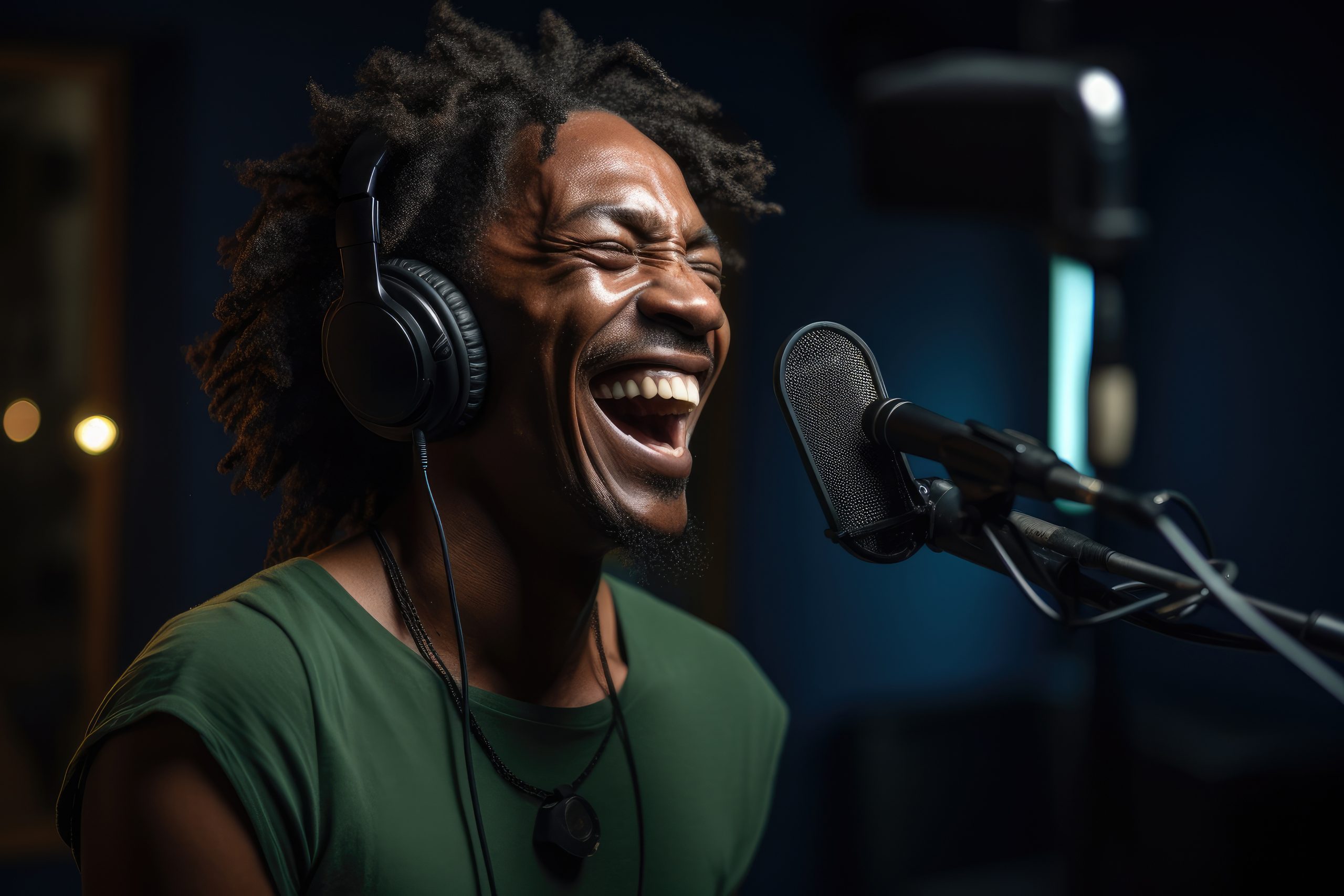
The Art of Interpretation: Why Human Voiceovers Stand Out
In today’s digital era, voiceovers have become an essential element in various forms of media, from commercials to audiobooks and video games. While advancements in technology have brought us artificial intelligence (AI) voiceovers, there is still something undeniably captivating about human voice talent. This article explores the art of interpretation and why human voiceovers continue to stand out in a sea of digitized alternatives.
One of the primary reasons why human voiceovers hold such appeal is their ability to convey emotion and depth. AI voiceovers, while steadily improving, still lack the nuanced expressions and subtle variations that humans naturally possess. A wide range of emotions can be effortlessly conveyed through speech, allowing human voice talent to tap into the intricacies and complexities of a script, further enhancing the listener’s engagement and connection.
In today’s digital era, voiceovers have become an essential element in various forms of media, from commercials to audiobooks and video games. While advancements in technology have brought us artificial intelligence (AI) voiceovers, there is still something undeniably captivating about human voice talent. This article explores the art of interpretation and why human voiceovers continue to stand out in a sea of digitized alternatives.
One of the primary reasons why human voiceovers hold such appeal is their ability to convey emotion and depth. AI voiceovers, while steadily improving, still lack the nuanced expressions and subtle variations that humans naturally possess. A wide range of emotions can be effortlessly conveyed through speech, allowing human voice talent to tap into the intricacies and complexities of a script, further enhancing the listener’s engagement and connection.
Moreover, the linguistic limitations of AI voiceovers also play a significant role in the preference for human talent, especially in a European context. Localization, the process of adapting media content to suit specific cultural and linguistic parameters, can be a challenging task for AI systems. Cultural references, idiomatic expressions, and dialects are delicate elements that require a native speaker’s understanding to be effectively conveyed. Human voiceovers not only navigate these linguistic intricacies but also bring a touch of authenticity that connects with the target audience on a personal level.
Overall, the art of interpretation lies at the heart of why human voiceovers shine. The ability to understand and embody the intentions and emotions behind a script is a skill that takes time and practice to master. Human voice talent brings individuality, creativity, and an innate ability to breathe life into words, creating a connection that is often lost in AI-generated alternatives. As technology continues to evolve, it is reassuring to know that the artistry and authenticity of human voiceovers remain irreplaceable.
In an age where technology continues to blur the line between the human and the artificial, the world of voiceovers is no exception. With the advent of AI voice technology, the debate between human voiceover artists and synthetic counterparts has gained traction. While AI voiceovers offer convenience and efficiency, there are key differences that make the human voiceover irreplaceable in certain scenarios.
One of the most significant differences lies in the emotional depth and nuance that a human voice brings to a project. Whether it’s a heartfelt narration or a captivating dialogue, the ability to convey genuine emotion is a skill honed by experienced voiceover artists. Human voiceovers have the capacity to inject personality, authenticity, and a level of connection that AI voices often struggle to reproduce convincingly.
Nevertheless, AI voice technology does have its suitable use cases. In industries where precision and efficiency are paramount, such as customer service or e-learning, AI voiceovers can offer cost-effective solutions with quick turnaround times. AI voices can be programmed with specific tones, cadences, and accents to suit various contexts and can be a practical option for tasks that require a high volume of straightforward recordings.
However, when it comes to artistic endeavors, such as film or advertising, human voiceovers remain unmatched in their ability to elicit emotion and create a deeply immersive experience. The subtle inflections, timely pauses, and authentic expressions that a human voice artist infuses into their work bring a level of creativity and versatility that AI voices simply cannot replicate. The magic lies in the imperfections and unique intonations that make a human voiceover memorable and impactful.
In the end, the debate between AI voiceovers and human voiceovers is not about superiority but rather about understanding the strengths and limitations of each. AI voiceovers may be suitable for certain practical applications, but when it comes to truly captivating an audience and bringing a story to life, nothing quite matches the power of the human voiceover. So, while technology continues to evolve and push boundaries, the human touch and artistry of a voiceover artist will always hold a special place in the world of audio narration.